
The beauty world is buzzing with holistic solutions, and aromatherapy has surged to the forefront. This centuries-old practice, rooted in the therapeutic use of essential oils, is now more than a luxury spa indulgence. It’s a scientifically-backed tool to revamp your daily skincare and self-care rituals—offering glowing skin, reduced stress, and a rejuvenated appearance. Let’s dive into how aromatherapy boosts beauty routine and discover how this natural therapy can elevate your beauty routine from basic to transformational.
The Science Behind Aromatherapy and Beauty
Aromatherapy works through the olfactory system, where scent molecules interact with the limbic brain, the control center for emotions and hormones. This reaction impacts stress levels, sleep quality, and even skin function. Studies have shown that essential oils like lavender and tea tree oil possess anti-inflammatory, antimicrobial, and antioxidant properties (PubMed, 2021). These compounds help prevent acne, soothe redness, and promote cell turnover.
According to the Global Wellness Institute, the aromatherapy industry exceeded $4.3 billion in 2022, with increasing integration into dermatology and cosmetology. Skincare experts note that essential oils can penetrate the skin’s lipid barrier, delivering nutrients at a cellular level—unlike many synthetic ingredients.
Top Essential Oils for Skin and Hair Health
Incorporating specific essential oils into your beauty routine offers targeted benefits:
- Lavender Oil: Soothes sensitive skin, reduces inflammation, and aids skin regeneration. Its calming aroma also supports sleep, essential for overnight skin repair.
- Tea Tree Oil: A powerful antiseptic that combats acne-causing bacteria. Dermatologists often recommend it as a natural alternative to benzoyl peroxide.
- Rosehip Oil: Rich in vitamins A and C, this oil improves skin elasticity, reduces fine lines, and supports collagen production.
- Ylang Ylang: Balances sebum production, making it ideal for oily or combination skin types. It’s also a natural mood booster.
- Peppermint Oil: Invigorates the scalp, stimulates hair follicles, and reduces dandruff. Its menthol component also cools and refreshes the skin.
Each of these oils not only supports skin health but also enhances emotional well-being, which directly influences how we look and feel.
Aromatherapy’s Impact on Stress and Skin Aging
Chronic stress is a silent enemy of radiant skin. It triggers cortisol production, which breaks down collagen, increases oil production, and delays healing. Integrating aromatherapy into your routine counters this effect. Inhaling essential oils like frankincense or chamomile can reduce cortisol levels within minutes (NIH Study, 2020). This hormonal balance improves skin clarity and reduces premature aging signs.
Beauty routines often ignore the stress-skin connection. However, relaxation-focused rituals infused with calming scents can make a visible difference. Facial steaming with a drop of lavender oil or a warm bath infused with geranium oil helps regulate skin tone and texture. Emotional balance becomes a skincare strategy.
Boosting Sleep for Beauty with Aromatherapy
Good sleep is non-negotiable for healthy skin. During deep sleep, the body repairs tissues and regenerates cells. Essential oils such as bergamot, sandalwood, and vetiver enhance sleep quality. A clinical study in 2021 found that 64% of participants who used aromatherapy reported improved sleep and brighter skin tone within two weeks.
Incorporating a diffuser into your nighttime routine can transform your sleep hygiene. Combine this with a nightly face massage using diluted essential oils to enhance blood circulation and promote lymphatic drainage. The result? A morning glow that’s hard to fake.

DIY Aromatherapy Beauty Rituals to Try
Adding aromatherapy doesn’t mean overhauling your current skincare. A few tweaks can go a long way:
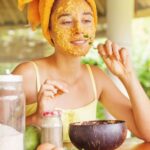
- Facial Steaming: Add a few drops of eucalyptus oil to hot water. Steam for 5–10 minutes to open pores and detoxify skin.
- Aromatherapy Facial Oil: Blend jojoba oil with rosehip and frankincense for a nourishing anti-aging serum.
- Hair Treatment: Mix rosemary and peppermint oils into a carrier oil for a scalp massage. This stimulates follicles and improves hair strength.
- Relaxing Bath Soak: Combine lavender and chamomile oils with Epsom salts for a stress-melting soak that benefits both body and complexion.
Consistency is key. Over time, these rituals contribute to long-term skin health and emotional balance.
Trends: Why Beauty Brands Are Turning to Aromatherapy
Top beauty brands like L’Occitane, Tatcha, and Neal’s Yard Remedies are embracing essential oils in formulations. Their shift reflects a demand for clean, transparent, and sensory-driven products. According to a Mintel report, 74% of skincare users in 2023 preferred products with aromatherapeutic elements for their emotional and physical benefits.
The growing trend of “skinimalism”—doing more with fewer, natural products—pairs perfectly with aromatherapy. It aligns with a less-is-more mindset and supports sustainability.
Expert Tips: Integrate Aromatherapy Safely
- Always dilute essential oils with a carrier oil to avoid irritation.
- Perform a patch test before applying to the face or scalp.
- Use high-quality, pure essential oils from reputable brands.
- Rotate oils to prevent sensitivity buildup.
Professional aromatherapists also advise using oils based on your skin type and emotional state. For instance, those with dry skin and high stress might benefit from neroli, while oily, acne-prone skin pairs better with clary sage.
Featured Snippet: Can Aromatherapy Really Improve Your Skin?
Yes. Aromatherapy improves skin by reducing stress, balancing hormones, and directly delivering antioxidants to the skin’s surface. Essential oils like tea tree, lavender, and rosehip oil target acne, inflammation, and aging signs. Their natural compounds nourish the skin while calming the mind—boosting both appearance and inner peace. Regular use in facial massages, steaming, or bath rituals enhances circulation, collagen production, and skin tone. However, always dilute and use oils appropriately to avoid adverse reactions. For best results, integrate oils based on your skin’s needs and your emotional wellness goals.
Unwind and Rejuvenate: Your Ultimate Guide to DIY Body Wraps at Home
FAQs
- What is the best essential oil for glowing skin?
Rosehip oil is widely considered the best for glow due to its high vitamin C content and skin-brightening properties. - How often should I use aromatherapy in my beauty routine?
2–4 times weekly is ideal. Overuse can lead to skin sensitivity. - Can aromatherapy help with acne?
Yes. Tea tree and lavender oils are effective against acne-causing bacteria and inflammation. - Is it safe to apply essential oils directly to the face?
No. Always dilute with a carrier oil like jojoba or almond oil before application. - Can essential oils replace my skincare products?
They can complement your skincare, but shouldn’t replace core products like sunscreen or moisturizers. - Does aromatherapy really reduce wrinkles?
Oils like frankincense and sandalwood promote collagen and improve skin elasticity, helping reduce the appearance of fine lines. - What are the side effects of using essential oils on skin?
Possible side effects include irritation, allergies, or photosensitivity. Always patch test and consult a dermatologist.
Final Thought
Aromatherapy isn’t just about delightful scents—it’s a powerful ally in achieving radiant, healthy skin. By blending ancient wisdom with modern skincare science, aromatherapy can transform your beauty routine into a holistic self-care ritual. The connection between mind, mood, and skin is real—and essential oils provide a natural bridge between them. Whether you’re chasing a youthful glow, a clear complexion, or simply a moment of peace, this aromatic revolution offers more than beauty—it offers balance.
Read More:
Why Is My Spa Water Suddenly Foamy? Causes and Solutions
Aromatherapy for Wellness: Essential Oils and Holistic Health