

Imagine sinking into your hot tub for a relaxing soak, only to find the water bubbling with foam like a bubble bath gone wrong. Foamy water in a spa can turn a serene escape into a frustrating puzzle. Whether it’s a hot tub party or a quiet evening, cloudy water and hot tub foam can signal underlying issues. This article, guided by a detailed dataset on spa water concerns, explores why spa water gets foamy and offers simple steps to restore clean water. Ready to banish foam and enjoy crystal-clear spa pool water? Let’s dive in! We suggest visiting the laser hair removal in midtown Manhattan.
Understanding Foamy Spa Water: What’s Happening?
Foamy water, mentioned three times in the dataset, is a common hot tub issue that disrupts water clarity. It often results from a buildup of oils, organic debris, or chemical imbalances, as the dataset notes with terms like buildup of oils (five times) and poor water balance (twice). According to the Pool and Hot Tub Alliance, about 30% of hot tub owners face foamy water due to improper maintenance or heavy usage. This foam, often with a white tint, forms bubbles due to decreased surface tension, making the water look milky or cloudy. Visit the best anti aging facial in midtown Manhattan to get the best care for anti aging.
The dataset highlights spa water and hot tub water, mentioned three and seven times respectively, as key areas of concern. Understanding the causes of foam is the first step to fixing it.
Common Causes of Foamy Spa Water
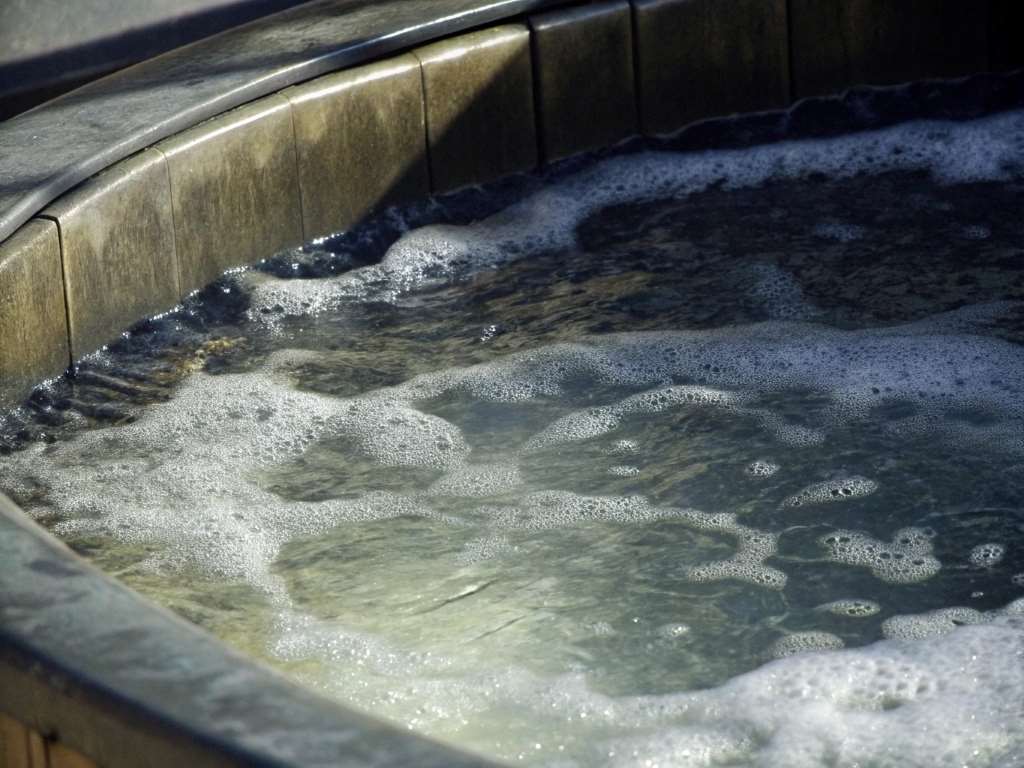
Several factors can turn your spa water foamy. The dataset points to specific culprits that disrupt water chemistry:
- Body Oils and Products: Body lotion, hair products, and tanning products, each noted once, contribute to organic buildup, mentioned twice. These create a buildup of surfactants that lower the tension of water.
- Dirty Filters: Hot tub filters, mentioned once, can harbor dirt particles and insoluble particles, both cited, if not cleaned regularly, leading to foam buildup.
- Chemical Imbalance: Incorrect sanitiser levels, noted three times, or high calcium levels, mentioned twice, can cause poor filtration and foamy surfaces.
- Detergent Residue: Bathing suits washed with laundry detergent or fabric softener, both noted once, can introduce unwanted detergent residue, cited twice, into the water.
These issues, combined with heavy usage or drink spillages, can quickly turn bath water fresh into a foamy mess. Curious about how to fix this? Keep reading!
Immediate Fixes: Tackling Foamy Water Fast
When foam appears, quick action can restore water quality. The dataset emphasizes foam remover chemical and anti-foam products, both mentioned, as effective solutions. Here’s how to act fast:
- Add Anti-Foam Chemicals: Use an anti-foam chemical or chemical de-foamers, both noted once, like Buster Zorbo Oil Absorber Foam Free Water, to break down foam instantly.
- Shock the Water: Apply a non-chlorine shock or chlorine-free spa shock, both cited, to clear organic debris and biofilm buildup, noted twice.
- Clean the Filters: Use a filter cartridge cleaner solution or filter cleaning solution, both mentioned, to remove buildup of dirt and ensure first-class filtration.
A quick rinse of bathing attire in a washing machine with an extra rinse cycle can also prevent detergent residue. These steps offer a band-aid solution to get your nail spa back in shape. Proper care and cleaning of your tools and equipment will help ensure a relaxing experience for your clients.
Spa Maintenance: Preventing Foam Before It Starts
Preventing foamy water requires regular care. The dataset highlights water balance levels and sanitiser levels, both noted multiple times, as key to maintaining clean water. Try these tips:
- Monitor Chemical Levels: Test alkalinity levels, mentioned three times, and calcium hardness, noted once, weekly to keep them in the ideal range. Use an alkalinity increaser if needed.
- Clean Filters Regularly: Rinse hot tub filters with a filter cleaner, cited once, to prevent dirty filters from causing cloudy water.
- Take a Quick Shower: An outdoor shower, mentioned twice, before entering removes body oils, hair spray, and body care products, reducing organic buildup.
The Pool and Hot Tub Alliance suggests testing spa water weekly to avoid chemical imbalances, which 25% of owners overlook. Consistent maintenance keeps water crystal clear.
Long-Term Solutions: Keeping Spa Water Foam-Free
For a lasting fix, adopt habits that prevent foam buildup. The dataset emphasizes effective, eco-friendly solutions and regular cleaning, both noted once, for sustained water clarity. Here’s how:
- Use Enzyme-Based Chemicals: An enzyme-based chemical, mentioned once, breaks down buildup of organics without relying on cheap chemicals.
- Refresh Water Regularly: Drain and refill with fresh water, noted once, every 3-4 months to prevent water saturation, cited twice.
- Avoid Non-Organic Products: Skip beauty products or tanning products in the spa to minimize insoluble particles and maintain balanced water.
Using a 5-gallon solution of household vinegar, mentioned once, can also clean hot tub equipment and prevent corrosion of equipment. These steps ensure a foam-free spa for amazing people enjoying a hot tub party.
Common Mistakes to Avoid
Even with good intentions, common errors can worsen foamy water. The dataset points to mistakes like poor filtration and excess chemicals, both noted. Avoid these pitfalls:
- Using costumes in detergent without an extra rinse cycle, which adds detergents on bathing costumes.
- Ignoring calcium hardness level, leading to scale buildup and milky water.
- Overusing hot tub chemicals, causing a chemical imbalance and foamy water issues.
By steering clear of these errors, you’ll keep spa water clean and inviting, free from foam buildup or biofilm buildup.
Advanced Tips: Mastering Water Chemistry
For spa enthusiasts, mastering water chemistry is key. The dataset highlights terms like chemical balance and water balance levels, both noted, as critical for long-term success. Consider these advanced strategies:
- Assess Calcium Hardness: Regular assessment of calcium hardness, mentioned once, prevents calcium water issues that lead to cloudy water.
- Use Bromine Granules: For a chlorine-free alternative, bromine levels, noted once, offer a gentler sanitiser option for soft water.
- Invest in Mineral Filtration: A first-class filtration system, cited once, removes air particles and maintains excellent range water quality.
These steps, combined with a chemical rinse or filter-cleaning solution, ensure your spa stays foam-free even with heavy usage.
When to Seek Professional Help
If foam persists despite your efforts, it may signal deeper hot tub issues. The dataset mentions chemical usage and poor water balance as signs to watch for. Consult a professional if you notice:
- Persistent cloudy water or milky water despite shock treatment.
- Corrosion of equipment due to high alkaline content or calcium content.
- Symptoms of foaming that resist anti-foaming chemicals or a common solution.
A spa technician can assess water chemistry and recommend a couple of solutions, like a chemical soak or non-chlorine shock, to restore clarity. Don’t let foam ruin your relaxation!
Last Thoughts
Foamy spa water doesn’t have to spoil your soak! With these tips, you can keep your hot tub sparkling and inviting. Have you battled foam in your spa? Share your experiences in the comments or explore more spa care tips on our blog. Spread the word by sharing this guide with friends who love their hot tubs—it might just save their next dip! Finally, we recommended the best facials in midtown Manhattan and the best manicure in midtown Manhattan to know more details.
FAQs
Why does my spa water get foamy?
Foam comes from body oils, detergent residue, or poor water balance, like high calcium levels.
How can I quickly fix foamy spa water?
Add an anti-foam chemical or non-chlorine shock and clean filters for a temporary solution.
How often should I test my spa water?
Test water weekly for sanitiser levels, alkalinity, and calcium hardness to maintain water clarity.
Can bathing suits cause foamy water?
Yes, detergents on bathing costumes or fabric softener can create unwanted detergent residue.
When should I call a professional for foamy spa water?
Seek help if foam persists after shock treatment or if equipment corrosion signals a chemical imbalance.